Blueberry Lemon Sourdough Bread From Scratch
Highlighted under: Sugar & Whisk
I absolutely love baking, and there's nothing quite as rewarding as making sourdough bread from scratch. This Blueberry Lemon Sourdough Bread is the perfect fusion of tangy lemon and sweet blueberries, making every slice a delightful treat. The process of fermentation and kneading became a joyful ritual in my kitchen. I learned that the key to a great sourdough is having a well-fed starter and using fresh ingredients. I can't wait for you to experience the satisfaction of pulling a warm loaf from the oven and sharing it with loved ones.
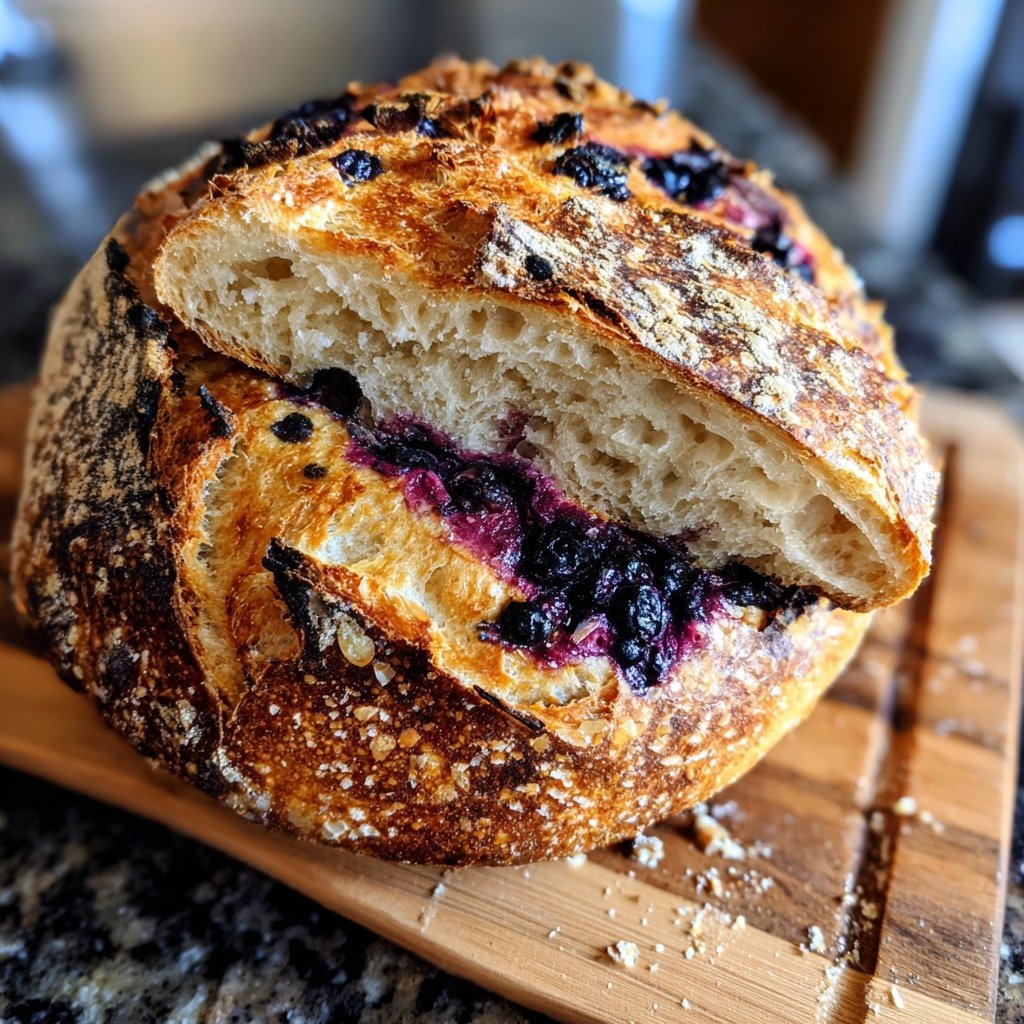
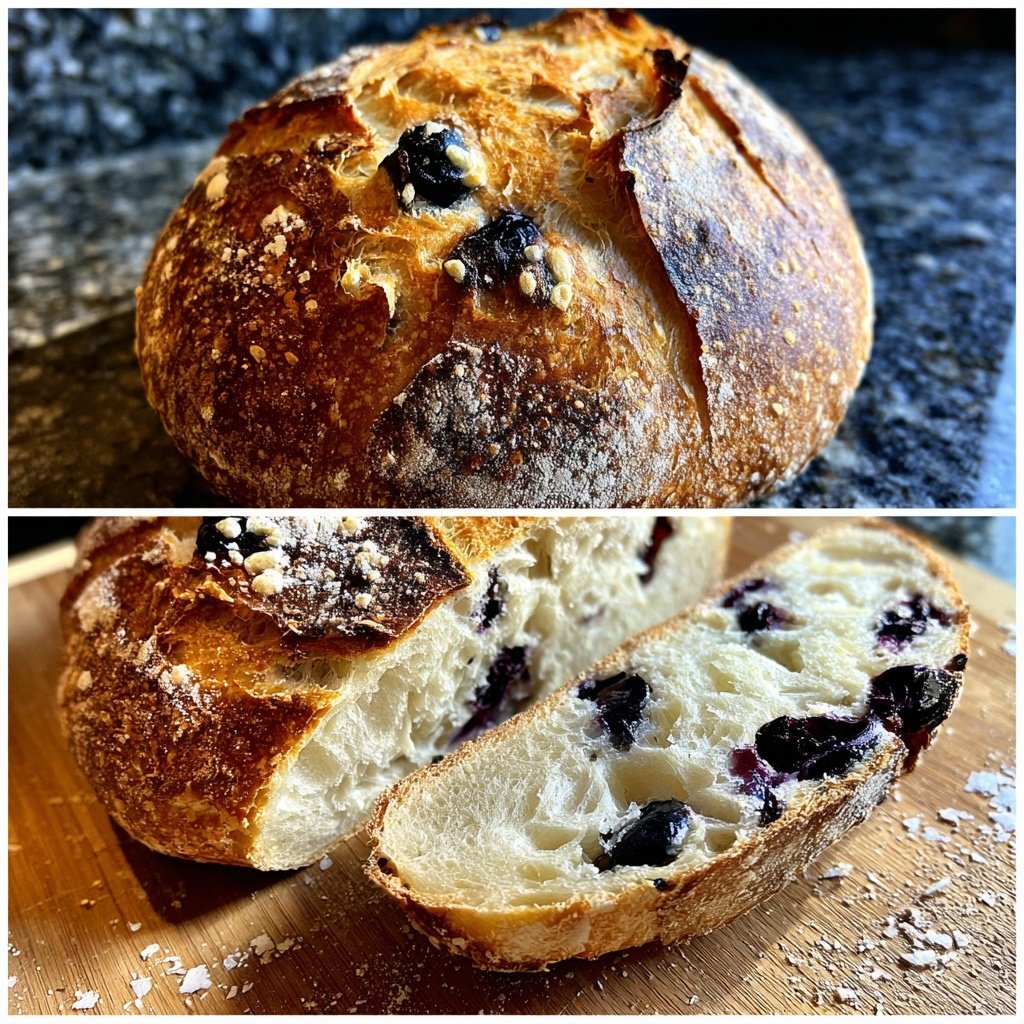
When I first made this Blueberry Lemon Sourdough Bread, I was hesitant about pairing such vibrant flavors with the classic sourdough. However, the result was phenomenal; the tartness of the lemon harmonized beautifully with the sweet blueberries, creating a perfect balance. Experimenting with hydration levels in the dough helped me achieve a wonderfully moist crumb. I discovered that letting the loaf rest overnight really enhanced the flavors, making the wait well worth it.
Each bite transports me to sunny mornings, and I've found that a warm slice slathered in butter is simply divine. The crust gets this perfect golden color and crispy texture when baked at a high temperature, and the kitchen smells incredible. I can confidently say that this loaf has become a beloved staple in my home, and I'm excited for you to try it too!
Why You'll Love This Recipe
- A unique twist on traditional sourdough with fruity flavors
- Delightful aroma of fresh blueberries and zesty lemon
- Perfect for breakfast, brunch, or as a snack
Understanding Sourdough Fermentation
Fermentation is the heart of sourdough baking, where wild yeast and bacteria work their magic on your dough. During the first rise, aim for a warm environment—around 75°F to 80°F (24°C to 27°C)—to encourage active fermentation. You’ll know it’s ready when the dough has nearly doubled in size and shows a bubbly surface. This stage is critical for developing the distinctive flavor and texture of your bread. Don't rush it; the longer fermentation can enhance the sourness if that profile is desirable.
That initial rise is also the best time to develop flavor depth. Each hour you let the dough ferment could add complexity, so consider tasting your sourdough starter beforehand. If it’s particularly tangy, you might want to shorten the rising time for your bread. Remember, the temperature of your kitchen also influences fermentation speed, so adjust rising times as needed.
Working with Blueberries and Lemon
Using fresh blueberries is essential for this recipe, as they provide bursts of juiciness that complement the tangy lemon perfectly. When folding the berries into the dough, do so gently to prevent them from bursting too early and releasing too much moisture, which could affect the dough’s final structure. If you're using frozen blueberries, avoid thawing them first; instead, add them straight from the freezer for a brighter color and a fresher taste.
The lemon zest and juice in this recipe not only add brightness but also enhance the overall flavor of the sourdough. Ensure you are using fresh lemons for the best results, as the oils in the zest are concentrated and will impart a potent flavor. If you prefer a milder lemon profile, feel free to adjust the amount of zest and juice; start with half the amount and taste-test as you go.
Storing Your Sourdough
Once your Blueberry Lemon Sourdough is cooled, proper storage is key to maintaining its flavor and texture. Store it at room temperature in a bread box or paper bag for up to three days. This keeps it fresh without trapping moisture and risking mold growth. If you want to keep it longer, consider slicing the bread and freezing it. Wrap each slice individually in plastic wrap and then place them in an airtight bag for up to three months—this allows you to enjoy freshly baked bread anytime!
To enjoy your frozen slices, simply toast them straight from the freezer or let them thaw at room temperature for a couple of hours. For a delightful twist, try spreading a bit of cream cheese or goat cheese on warm slices, and topping them with a drizzle of honey or a sprinkle of additional lemon zest. This not only enhances the flavor but elevates the bread to a beautiful breakfast or snack option.
Ingredients
Gather the ingredients before you start baking:
For the Dough
- 1 cup active sourdough starter
- 1 1/2 cups all-purpose flour
- 1/2 cup whole wheat flour
- 1 cup water
- 1 tsp salt
- 1 tbsp honey
- 1 cup fresh blueberries
- Zest of 1 lemon
- Juice of 1 lemon
Make sure to use fresh blueberries for the best flavor!
Instructions
Follow these steps to create your delicious bread:
Mix the ingredients
In a large bowl, combine the active sourdough starter, all-purpose flour, whole wheat flour, water, salt, honey, lemon zest, and lemon juice. Mix until a shaggy dough forms.
Autolyse
Let the dough rest for about 30 minutes to allow the flour to absorb the water. This process helps with gluten development.
Knead the dough
Knead the dough for about 5-10 minutes until it becomes smooth and elastic. Gradually fold in the blueberries, being careful not to crush them.
First rise
Cover the bowl with a damp cloth and let it rise in a warm place for about 4 to 6 hours, or until it has doubled in size.
Shape and second rise
Gently deflate the dough and shape it into a round loaf. Place it in a floured proofing basket and let it rise for another 2 to 3 hours.
Preheat and bake
About 30 minutes before baking, preheat your oven to 450°F (230°C) with a Dutch oven inside. Carefully transfer the dough to the heated Dutch oven, score the top with a sharp knife, and bake for 30-40 minutes.
Cool and enjoy
Once baked, remove the bread from the oven and let it cool on a wire rack before slicing. Enjoy your homemade bread fresh!
Keep the bread wrapped in a cloth to maintain freshness if you're not consuming it immediately.
Pro Tips
- For best results, ensure your sourdough starter is active and bubbly. Don't skip the autolyse step, as it significantly improves the dough's texture.
Troubleshooting Your Dough
If your dough isn’t rising as expected, it could be due to an inactive starter. Make sure your sourdough starter is bubbly and has been fed within a few hours of using it for the best results. If necessary, give it a quick refresh and check its floating test—if it floats in water, it’s ready to use. Additionally, kneading too long can lead to overworking the gluten, causing the dough to become tough rather than elastic.
Another common issue is excessive stickiness. This can happen if the dough is too wet, often due to inaccurate measuring. For a firmer dough, consider reducing the water content by a few tablespoons. If you've accidentally added too much water, you can salvage the dough with a light dusting of flour while kneading—just don’t overdo it, as this could lead to a dense crust.
Variations and Flavor Profiles
While this Blueberry Lemon Sourdough is a standout, you can experiment with other fruits like raspberries or cranberries for exciting variations. The key is to maintain the balance of moisture in the dough; heavier fruits may require adjustments in liquid measurements. For a richer flavor, consider adding a pinch of cinnamon or cardamom to the dough for a subtle warmth that complements the lemon beautifully.
If you’re looking to amp up the sourness of your bread, try extending the fermentation time slightly or feeding your sourdough starter with whole-grain flour for a nuttier, more intense flavor. You can also create a marbled effect by reserving a portion of plain dough, incorporating pureed fruits like blueberry or lemon curd, and layering them before the final shape—this not only looks stunning but offers delightful pockets of flavor throughout.
Questions About Recipes
→ Can I use frozen blueberries?
Yes, you can use frozen blueberries, but they may stain the dough more and alter the color.
→ How can I tell when the bread is done baking?
The bread is done when it sounds hollow when tapped on the bottom and has a golden crust.
→ How do I store the bread?
Store the bread in a bread bag or wrap it in a cloth for up to three days. Freeze for longer storage.
→ Is it possible to make this bread gluten-free?
You can experiment with gluten-free flours, but the texture may vary significantly.
Blueberry Lemon Sourdough Bread From Scratch
Created by: Natalie Briggs
Recipe Type: Sugar & Whisk
Skill Level: Intermediate
Final Quantity: 1 loaf
What You'll Need
For the Dough
- 1 cup active sourdough starter
- 1 1/2 cups all-purpose flour
- 1/2 cup whole wheat flour
- 1 cup water
- 1 tsp salt
- 1 tbsp honey
- 1 cup fresh blueberries
- Zest of 1 lemon
- Juice of 1 lemon
How-To Steps
In a large bowl, combine the active sourdough starter, all-purpose flour, whole wheat flour, water, salt, honey, lemon zest, and lemon juice. Mix until a shaggy dough forms.
Let the dough rest for about 30 minutes to allow the flour to absorb the water. This process helps with gluten development.
Knead the dough for about 5-10 minutes until it becomes smooth and elastic. Gradually fold in the blueberries, being careful not to crush them.
Cover the bowl with a damp cloth and let it rise in a warm place for about 4 to 6 hours, or until it has doubled in size.
Gently deflate the dough and shape it into a round loaf. Place it in a floured proofing basket and let it rise for another 2 to 3 hours.
About 30 minutes before baking, preheat your oven to 450°F (230°C) with a Dutch oven inside. Carefully transfer the dough to the heated Dutch oven, score the top with a sharp knife, and bake for 30-40 minutes.
Once baked, remove the bread from the oven and let it cool on a wire rack before slicing. Enjoy your homemade bread fresh!
Extra Tips
- For best results, ensure your sourdough starter is active and bubbly. Don't skip the autolyse step, as it significantly improves the dough's texture.
Nutritional Breakdown (Per Serving)
- Calories: 320 kcal
- Total Fat: 5g
- Saturated Fat: 0.5g
- Cholesterol: 0mg
- Sodium: 150mg
- Total Carbohydrates: 61g
- Dietary Fiber: 3g
- Sugars: 12g
- Protein: 9g